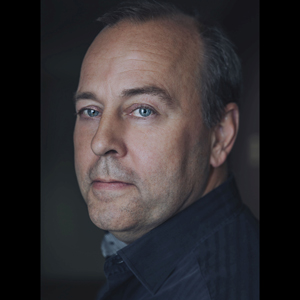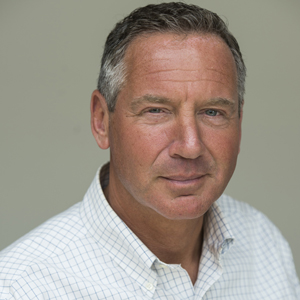
Marcel Levi is president of the Dutch Research Council. He is also Professor of Medicine at Amsterdam University Medical Center/University of Amsterdam and at University College London and a specialist in Internal Medicine and Haematology. Earlier he worked at the University of Perugia (Italy), in Oxford (UK) and the Center for Transgene Technology and Genetherapy of the University of Leuven, Belgium. He is currently chairman or board member of several national and international research organisations and charities. He is a member of the Royal Netherlands Academy of Science.
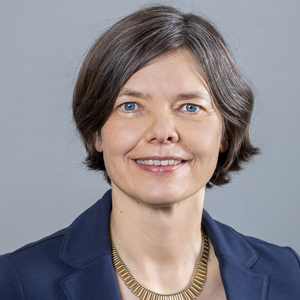
Blanche Schwappach-Pignataro is a molecular biologist and biochemist working on membrane proteins. She is interested in their biogenesis, their trafficking, and regulation, specifically in highly differentiated cells such as cardiomyocytes. In 2020, she became the Dean of the University Medical Center in Hamburg where she supports science and education with a specific focus on translation. Her basic biomedical work on membrane proteins continues at the University Medical Center, Göttingen, where she is a guest professor.
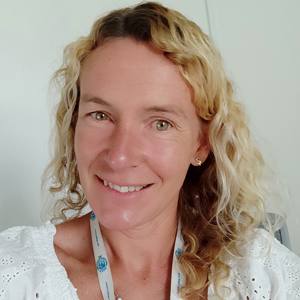
Serena Zacchigna obtained her MD in 2000 and her PhD in Molecular Genetics in 2005. In 2006 she was awarded a Marie-Curie post-doctoral fellowship in Carmeliet Laboratory in Belgium to work on the neurovascular link.
She is currently Associate Professor at the University of Trieste and Head of the Cardiovascular Biology Group at the ICGEB. Her research interests aim at developing biological therapies for cardiovascular disorders and cancer. She has ample experience in the use of viral vectors and cell therapies to promote the revascularization and regeneration of ischemic tissues.
She is a Nucleus Member of the WG in Myocardial Function of the ESC and acts as a reviewer of LS7 panel of the ERC. In 2017 she has been awarded the ITWIIN Best Inventor prize for her research on cardiac regeneration and in 2010 the Young Investigator Award by the ESGCT for her research on angiogenesis.
She has published over 110 papers in peer-reviewed international journals, including Nature, Cell, Nature Medicine, and 10 reviews/book chapters (h-index 40; source: SCOPUS). Over the last years, she has been invited to present over 40 lectures at several international meetings and seminars in Research Institutions in the United States, Europe and Asia.
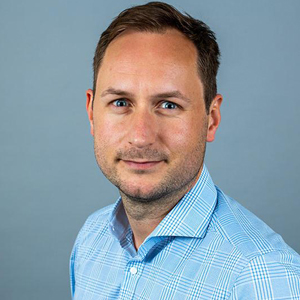
Lukas Cyganek has gained expertise in iPSC technology and CRISPR/Cas9 genome editing and is heading the Stem Cell Unit in Göttingen. Since 2015, his group generated >200 patient-derived iPSC lines and >100 CRISPR-engineered iPSC lines for multiple national and international research teams. Besides, by combining iPSC technology with CRISPR/Cas9 genome editing and further state-of-the-art approaches, his group aims to deeply investigate the development, function and pathophysiology of cardiomyocytes on molecular, omics-based as well as on functional level to uncover the pathophysiological mechanisms in inherited cardiomyopathies and to develop preventive and/or curative therapies such as novel drugs or CRISPR/Cas9 gene therapy approaches.
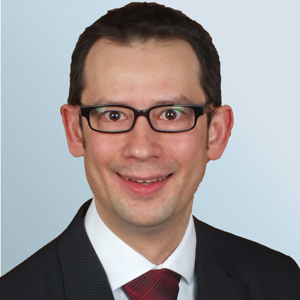
2018 to Present: Independent group leader, Comprehensive Heart Failure Center Würzburg, Germany
Research focus: Metabolic remodelling in heart failure
2010 to 2018: Research position in the Department of Cellular Biochemistry, University of Göttingen, Germany
Research focus: Structural changes in mitochondrial membrane protein complexes in cardiolipin deficiency
2007 – 2010: Joint post-doc positions at the Beatson Institute for Cancer Research, Glasgow, UK (Dr. K. Vousden) and at the University of California at San Francisco (UCSF), USA (Dr. G. Evan)
Research focus: Transcriptional programs driving cancer progression
2007: Doctorate from the Institute for Biochemistry and Molecular Biology, Dr. N. Pfanner, Freiburg, Germany
Research focus: Mitochondrial protein transport
2002: Master's Degree from the University of Stuttgart, Germany
Major subject: Industrial Genetics
Minor subjects: Experimental Biology (molecular biology/virology) & Microbiology, Biotechnology
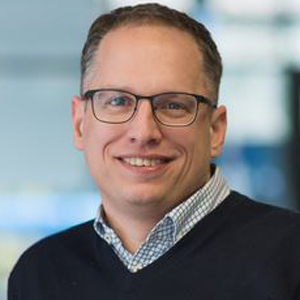
Prof. Dr. Felix Engel is professor for Experimental Renal and Cardiovascular Research in the Department of Nephropathology at the Friedrich-Alexander-Universität Erlangen-Nürnberg since 2012. He received his Diploma in Engineering from the Technical University Berlin in 1996 and completed his doctorate on cell cycle control of mammalian cardiomyocytes in 2001 at the Max Delbrück Centrum for Molecular Medicine, Berlin. During this time, he founded with colleagues the company Biomedical Consulting & Development KG (predecessor of preclinics GmbH). Subsequently, he moved to Boston Massachusetts, where he began working as a postdoctoral research fellow in heart regeneration at the Children’s Hospital and Harvard Medical School and was promoted to Associate Scientific Research and Instructor in Pediatrics. Here, he was involved in the foundation of the company Hydra Biosciences. His work in Boston was awarded in 2006 with the Sofja Kovalevskaja Award, which allowed him to set up his own research group for Cardiac Development and Regeneration at the Max Planck Institute for Heart and Lung Research in Bad Nauheim. He habilitated in Cell and Developmental Biology at the Goethe-University in Frankfurt in 2013 and was offered a position as W3 Professor for Developmental Biology at the University of Konstanz in 2018 (declined). The work of Prof. Engel focuses on cardiomyocyte proliferation, non-centrosomal MTOCs, the role of the adhesion GPCR Gpr126 in heart and kidney development, cardiac tissue engineering, and cancer metastasis.
Zhiyong Lei is an assistant Professor at UMC Utrecht and got his PhD in 2015 at the University Utrecht on “Towards microRNAs-based therapeutics in cardiovascular diseases”. Together with a multi-disciplinary research team, he is trying to find a way stimulating cardiac repair upon myocardial damage. Using technologies ranging from molecular insights, advanced multi-cellular cell models, and clinically relevant animal models, novel nano delivery tools and he try to understand the pathophysiologic mechanisms, enhance delivery technologies and stimulate the heart towards a more regenerative state.
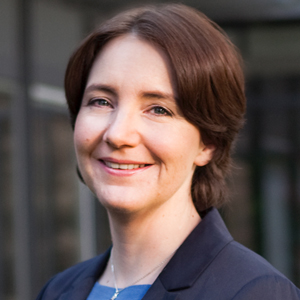
Kristina Lorenz received her PhD at the Institute of Pharmacology and Toxicology in Würzburg in 2005 and worked as post-doctoral research fellow and group leader in Dresden and Würzburg, where she was appointed as Professor of Molecular Pharmacology in 2013 (University of Würzburg/Comprehensive Heart Failure Center). In 2016 she became the Director of the Biomedical Research department at the Leibniz Institute for Analytical Sciences – ISAS – e.V. in Dortmund and Professor of “Mechanisms of cardiovascular diseases” at the University of Duisburg-Essen. Since 2019, she is the Head of the Institute of Pharmacology and Toxicology. Her research interest signaling pathways involved in heart failure and cardiac hypertrophy with major focus on mitogen-activated protein kinase (MAPK) and G protein coupled receptor (GPCR) signaling.
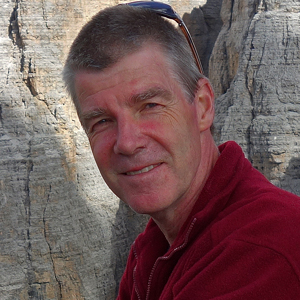
Joost J.F.P. Luiken studied biology at the University of Utrecht and graduated in 1988, specialized in biochemistry and molecular genetics. After a PhD-project on liver metabolism at the Univeristy of Amsterdam, he started working at Maastricht University as post-doc in November 1994 to study the role of fatty acid transporters in the heart.
Upon his initial discoveries that (i) CD36 is the predominant fatty acid transporter in the heart, and (ii) CD36 activity is regulated by reversible translocation from intracellular stores (endosomes) to the sarcolemma, Joost Luiken discovered that in the rodent diabetic heart CD36 is permanently relocated from the endosomes to the sarcolemma without changes in expression. The increase in cell surface abundance of CD36 will lead to chronically increased myocardial fatty acid uptake, lipid accumulation, insulin resistance, and finally cardiac dysfunction. Further research on the causes of this aberrant CD36 subcellular localization revealed that alterations in the CD36-dedicated trafficking machinery are responsible for sarcolemmal CD36 relocation. Because the CD36-dedicated trafficking machinery is completely unexplored, his recent studies focused on screening for and identifying CD36-dedicated trafficking proteins, and their altered functioning in the diabetic heart.
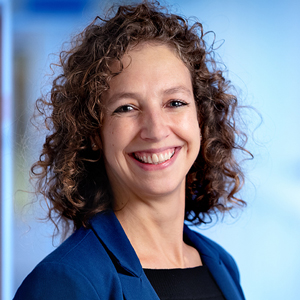
Miranda Nabben is assistant professor at the Departments of Genetics & Cell Biology and Clinical Genetics at Maastricht University Medical Center+. She is coordinating the Cardiac Genetics and Metabolism Maastricht platform. Miranda obtained her master’s degree at Utrecht University and her PhD on metabolic disorders from Maastricht University. She has since then completed three postdoc positions at the University of Washington, Seattle, USA and at Eindhoven University of Technology and Maastricht University. Miranda’s ambition is to treat cardiac disease via metabolic interventions. She is studying the relationship between structural, metabolic and functional changes in the failing heart to better understand the molecular triggers of heart failure and to identify new targets for treatment.
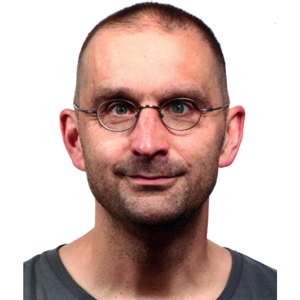
Marten Szibor is a research-based physician specializing in molecular genetics and physiology. After completing his doctorate in 2001 and postdoctoral fellowships in Germany and Switzerland, he was appointed as a staff scientist at the Max Planck Institute for Heart and Lung Research in Bad Nauheim, Germany. In 2013, he moved to Tampere, Finland, where he used genetic models jointly developed with Howy Jacobs to establish alternative oxidase as a tool to challenge disease paradigms and eventually treat disease. In 2019, he relocated back to Germany and has since become a research associate at the Department of Cardiothoracic Surgery at Jena University Hospital.
Theresia Kraft is Professor of Physiology at Hannover Medical School in Hannover, Germany. She obtained her PhD in 1990 at the University of Tübingen, Germany where she studied skeletal muscle mechanics with Prof. Bernhard Brenner. Her postdoctoral studies with Dr. Leepo Yu at NIH, NIAMS led her to x-ray diffraction analysis of conformational changes of the acto-myosin complex. There she further extended her studies on the role of weak binding cross-bridge states during the force generating cycle. Later in Hannover, she began to investigate the effects of missense mutations in the beta-cardiac myosin isoform that are associated with Hypertrophic Cardiomyopathy (HCM). These studies were performed on slow skeletal muscle fibers from HCM-patients. In collaboration with Jolanda van der Velden, Amsterdam she extended her studies to biomechanical analysis of cardiomyocytes, which were isolated from cardiac muscle of HCM patients. Her present focus is on elucidating pathomechanisms of HCM, a cardiac disease which is caused by hundreds of different mostly heterozygous mutations in predominantly sarcomeric proteins. Besides biomechanical analysis of muscle function, she also uses analysis of transcriptional activity, mRNA and protein expression in human adult and stem cell derived cardiomyocytes to address this. She and her group have evidence that burst like, stochastic and independent transcription of mutated and wildtype alleles of a mutated protein cause unequal allelic expression of that protein from cell to cell, which may lead to contractile imbalance among cardiomyocytes in HCM. Photo C Junge, MHH.
Benjamin Meder is cardiologist by training, but has a long track-record in experimental and translational research. He is Deputy Director of the Center for Cardiology, Angiology and Pulmonology and group leader for Molecular Genetics and Translational Biotechnology. He is also heading the Institute for Cardiomyopathies Heidelberg (ICH.), which is a precision medicine unit dedicated to heart muscle disorders and was recently selected for the Professorship „Precision Digital Health". He has published numerous high-ranked studies on precision medicine and is involved in several large-scale national and international networks on this topic. From 2018-2021, he was visiting Assoc. Prof. of Genetics at Stanford University, one of the world's leading universities, to conduct research in the fields of precision medicine and advanced genetic technologies. Using his strong background in technology, he has strongly embarked on computational sciences and artificial intelligence to propel the translation of novel concepts towards more efficient treatments of patients.
The Passier group aims to unravel key molecular mechanisms during cardiac differentiation, development and disease and combines human pluripotent stem cell technologies (controlled differentiation to cardiovascular cells and genetic manipulation) and micro-engineering technologies in order to build highly advanced “heart-on-chip” systems (either 2D or 3D) for modelling cardiac disease, drug screening and regenerative medicine. Passier is professor and Chair of the Department of Applied Stem Cell Technologies at the University of Twente (since 2015) and professor at the Department of Anatomy and Embryology, Leiden University Medical Centre. Passier is co-founder of Pluriomics (Ncardia)(2011) and River BioMedics (2020).
Kevin Vernooy is a clinical scientist and head of department of cardiology at the Maastricht University Medical Center in Maastricht, the Netherlands.
He started already during his medical doctor (MD, cum laude) training as a PhD student at the Maastricht University under supervision of prof. F. Prinzen.
After finishing his medical training he combined his research in combination with his cardiology training (clinical research training). He defended his thesis in 2006, entitled: dyssynchronopathy and the role of cardiac resynchronization therapy. In 2011 he finished his Cardiology training (prof. H. Crijns) and in 2012 he finished his fellowship clinical electrophysiology.
After finishing his training he started working as a clinical electrophysiologist at the Maastricht University Medical Center and became head of the division clinical electrophysiology in 2014. In 2018 he became head of the academic alliance of cardiac arrhytymias of both the Radboud university medical center and Maastricht University medical center.
Over the last ten years he has become internationally known for his research in the field of cardiac pacing, especially in the field of cardiac resynchronization therapy. This resulted in his appointment as professor in 2020 at the Maastricht University on “electrical management of heart failure” as his research now focusses on the electrophysiological treatment (cardiac ablation and implantations) of patients with heart failure. In march of 2021 he was appointed as head of the department of Cardiology at the Maastricht University Medical Center in Maastricht, the Netherlands.
Furthermore he is an active member of the cardiac device committee in the Netherlands and member of the EHRA digital committee and EHRA congress committee.
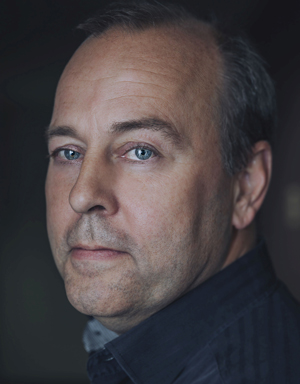
Paul Volders, MD, PhD, is Professor of Genetic Cardiology at Maastricht University Medical Center+, The Netherlands, and Principal Investigator at the Cardiovascular Research Institute Maastricht (https://www.carimmaastricht.nl).
As Cardiologist, he coordinates the care of patients with inherited arrhythmias and cardiomyopathies. He leads a clinical-translational research group focusing on novel pathogenic insights in ventricular arrhythmias and sudden cardiac death.
Traditionally, the Volders team has focused on the characterization of arrhythmia substrates in inherited heart disease and acquired cardiac overload, with studies at the cellular, intact-animal and patient level. This led to >100 peer-reviewed papers.
Current activities are directed to:
(1) intracellular signaling pathways determining ion-channel function;
(2) the genetic and genomic basis of cardiac disease;
(3) electromechanical reciprocity in the heart;
(4) improved understanding and prevention of adverse cardiovascular drug reactions;
(5) systems biology to integrate the basic molecular and functional determinants of cardiac syndromes with the clinical characteristics of patients, in order to provide better risk management and treatment.
Volders is principal investigator and work-package leader in multiple national and European research networks.
He has had scientific collaborations with various companies, including Lundbeck, AstraZeneca, Sanofi, Janssen Pharmaceuticals, Medtronic and Ncardia, often on topics related to cardiovascular safety of drug treatment and other interventions, and on iPSC-myocyte studies.
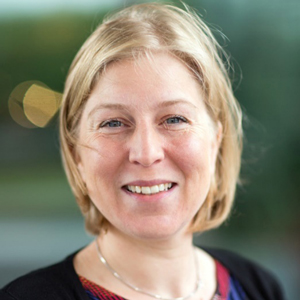
Dr. Prompers is Associate Professor of Biomedical Magnetic Resonance Imaging (MRI) and Spectroscopy (MRS) in the High Field MRI group at the UMCU. Her research focuses on the development of multi-nuclear MRS and MRI methods for the in vivo study of tissue metabolism in metabolic diseases. She has a strong track record on the application of MRS to measure energy and lipid metabolism in skeletal muscle, liver and heart, in particular in the setting of obesity and diabetes. Research highlights include the development of robust localized 1H MRS and 31P MRS of the fast-beating mouse heart, enabling a detailed analysis of metabolic responses brought about by metabolic perturbations and genetic defects. Currently, she is involved in the development of world’s first dedicated whole-body 7 T MR scanner for metabolic imaging (META-scan). She is one of the pioneers of deuterium metabolic imaging and was the first to perform this technique in human brain and liver at ultra-high field. Dr. Prompers has published over 70 papers and has supervised 10 PhD students as co-promotor.
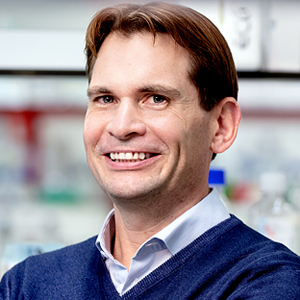
Dr. Westenbrink is a cardiologist and a translational scientist who, previous to his current appointment, completed a PhD program at the University of Groningen and a post-doctoral fellowship at the University of California San Diego, USA. He is registered as a clinical pharmacologist and subspecializes in heart failure and cardiac MRI.
Dr. Westenbrink leads a research group that consists of (clinical) research fellows, MD/PhD students and master students from different nationalities and backgrounds working on new ways to energize the failing heart. His research focus is translational in nature and includes fundamental studies to unravel the root cause of myocardial energy deficiency in heart failure as well as clinical trials testing new strategies to improve energy delivery to the heart. Dr. Westenbrink has received several research grants from the Netherlands Heart Foundation (junior and senior clinical scientist), the Dutch Organization for Scientific Research (AGIKO and VENI) and the European Society of Cardiology and his work has received several international awards. He has served as Associate Editor for the European Journal of Heart Failure and as chair of Young@Heart, the talent development council of the Dutch Cardiovascular Alliance (DCVA).
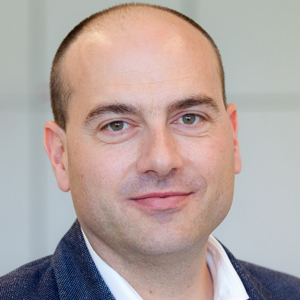
Thomas Thum is an internist and cardiologist. He received his PhD at the Imperial College, London. He is a full professor and director of the Institute of Molecular and Translational Therapeutic Strategies at Hannover Medical School (MHH) and since January 2021 director of the Fraunhofer Institute for Toxicology and Experimental Medicine. He (co-) authored 400 publications and is a distinguished reviewer, board member, patent holder, and founder.
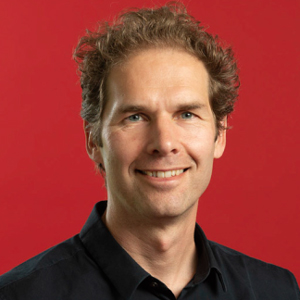
Ed Eringa (June 10, 1974) was born in Groningen and after growing up in Friesland, received his master’s degree in Biology at the University of Groningen in 1998. He moved to the VU University Medical Centre Amsterdam to study microvascular dysfunction in insulin resistance and diabetes under supervision of internist Coen Stehouwer and physiologists Nico Westerhof and Pieter Sipkema, for which he received his PhD degree in 2004. Part of PhD thesis was a paper on the role of perivascular adipose tissue in insulin resistance and vascular disease, published in the Lancet in 2005. He started forming his research group in 2004, becoming a lecturer of physiology at the Amsterdam UMC in 2010, an assistant professor 2012 and associate professor in 2016. In 2020, he assumed a second appointment as an associate professor at the department of Physiology of Maastricht University. In 2008, he was a visiting scientist at the University of Virginia. Dr. Eringa received personal grants for his work on perivascular adipose tissue from the Netherlands Organisation for Scientific Research in 2007 (Veni grant) and 2013 (Vidi grant). He is a principal investigator at the Amsterdam Cardiovascular Sciences institute, co-chair of the centre of excellence diabetes & metabolism, board member of the Netherlands Vascular Biology Organisation, and nucleus member of the working group coronary pathology and microcirculation of the European Society for Cardiology. He is married to Ruth van Dijk-Eringa with children Rifka, Rem and Rei. Fun fact: I decided to become a (marine) biologist at age 10 on the island of Terschelling.